

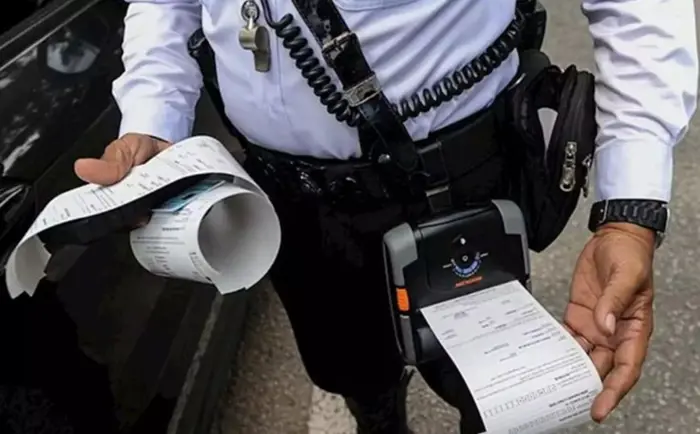
Traffic offenders to get discounts based on how fast they pay, says Loke
KUALA LUMPUR: “The less you delay, the less you pay.” This is the new approach to be taken by the police and Road Transport Department (JPJ) from Jan 1 to get traffic offenders to settle their summonses.
Unlike previous programmes by the police and JPJ where discounts on summonses differed between the two enforcement agencies, the new system will offer varying discounts depending on how fast they are settled.
Transport Minister Anthony Loke said that the Cabinet agreed on Oct 17 to streamline summonses discounts to avoid misconceptions that the law is applied differently by the police and JPJ.
“It was decided that the summons discount programmes or special campaigns will be replaced by the principle of, the less you delay, the less you pay, beginning Jan 1 next year,” he said at a joint press conference in Parliament’s media centre on Wednesday (Oct 22).
Under the new system, he said those who settle their summonses between one and 15 days will be given a 50% discount.
For those settling their summonses between 16 to 30 days, a 33% discount will be given.
“The full compound amount would be imposed on those who settle their summonses between 31 days to 60 days.
“A failure to settle the compound after 61 days will see offenders subjected to court proceedings,” he added.
He said the new discount system is not applicable to serious traffic offences such as driving without insurance or commercial vehicle licences or using fake ones.
Loke said that discount offers of between 50% and 70% will be applicable beginning Nov 1 to Dec 31.
Meanwhile, Home Minister Datuk Seri Saifuddin Nasution Ismail said that a total of RM640mil in outstanding summonses was collected under the police discount offers and special campaigns between 2022 and as of September this year.
He said that there was still RM6.6bil in outstanding summonses.
He said that his ministry and the Transport Ministry will hold talks to look at what sort of action can be taken against those who have yet to settle their outstanding summonses.







Leave a Reply