

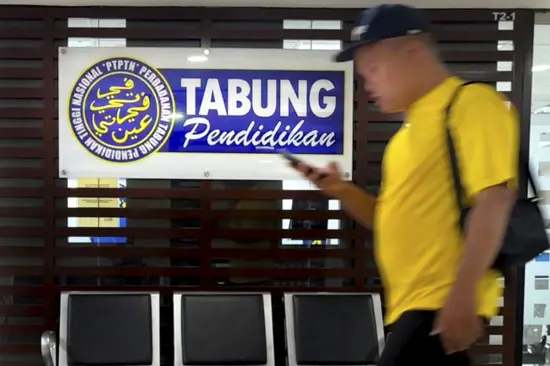
STR recipients consistent in repaying PTPTN loans, Dewan Rakyat told
KUALA LUMPUR: National Higher Education Loan Fund (PTPTN) borrowers from families who receive Sumbangan Tunai Rahmah (STR) aid recorded the highest loan repayments as well as the highest outstanding amounts, the Dewan Rakyat was told.
Deputy Higher Education Minister Datuk Mustapha Sakmud said that as of Oct 31, more than 900,000 borrowers from STR families have repaid their loans, totalling RM13.89bil.
The group was also the most consistent in repaying loans on schedule, with 450,522 borrowers paying RM4.17bil as of the end of October.
The outstanding balance was also the highest among this group, with RM10.23bil owed to the government by 967,796 borrowers, he said on Monday (Dec 1).
For borrowers from families who are not STR recipients but with a monthly income below 8,000, he said 58,971 have paid up their loans totalling RM703.45mil.
He added that RM657.79 mil has been collected from the 131,386 borrowers who have been consistently paying their study loans on schedule.
The outstanding amount from this group was RM539.35mil from 156,315 individuals.
As for borrowers from families earning more than 8,000, he said 136,156 individuals had finished paying off their study loans, with the amount totalling to RM1.54bil.
According to Mustapha, 39,374 borrowers from this income group have paid off RM362.36mil according to schedule, while the outstanding payment in this group totalled RM257.56mil involving over 64,000 borrowers.
“PTPTN’s database does not contain information on the monthly income of the borrowers, as the records are based on their status during the application and on the income of parents and guardians,” he added.
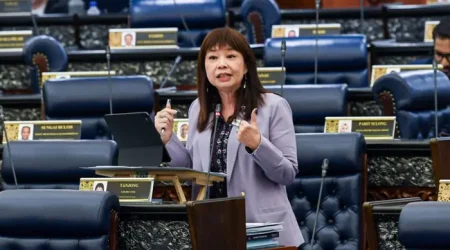
Tan Kar Hing (PH-Gopeng) had asked about the repayment rate of PTPTN loans based on borrowers’ monthly income, as well as the breakdown of those earning below a certain salary range, in addition to the B40, M40 and T20 income categories.
Tan also proposed an exemption of loan repayments for those serving in rural areas or critical sectors in line with the service-based waiver model.
Mustapha said it was a good proposal to be considered.
“But this will depend on PTPTN’s ability based on its financing model,” he added.








Leave a Reply