

Preserving ancestral lineage
Descendants of Mandailing, Chinese and Indian families strive to keep bonds intact by organising activities for their young and old
MANY people lose touch with their family or ancestral roots for one reason or another, particularly in the fast-paced urban life and amid the rat race.
There are, however, groups of people who meticulously keep track of their family tree and go to great lengths to ensure continuity of their lineage.
These groups have painstakingly documented their family ties several generations back and reconnected with one another through family and clan associations.
They remain steadfast in their efforts, continually striving to safeguard those connections through the inheritance of their ancestors’ values and organising various communal activities.
StarMetro speaks to four such associations to understand what keeps their members together after so many generations and how they pass down their family or ancestral heritage to the younger generation.
Mandailing ancestry
The Mandailing community migrated to Malaya from Sumatra, Indonesia, between the 17th and 19th centuries.
Most of them settled in the Klang Valley, including Hulu Bernam in Selangor, but some chose places such as Air Tawar and Chemor in Perak and Sungai Petani in Kedah after the civil war in Selangor that happened in the 1860s.
Ikatan Mandailing Malaysia-Indonesia (Imami) deputy president Mohd Sharifudin Yusop Lubis said the community had always been leaders throughout the many generations in the country.
“During the war, the Mandailing community was recognised as the leader of several Sumatran tribes, including Kerinchi, Minang, Rawa, Aceh and Bangkahulu.
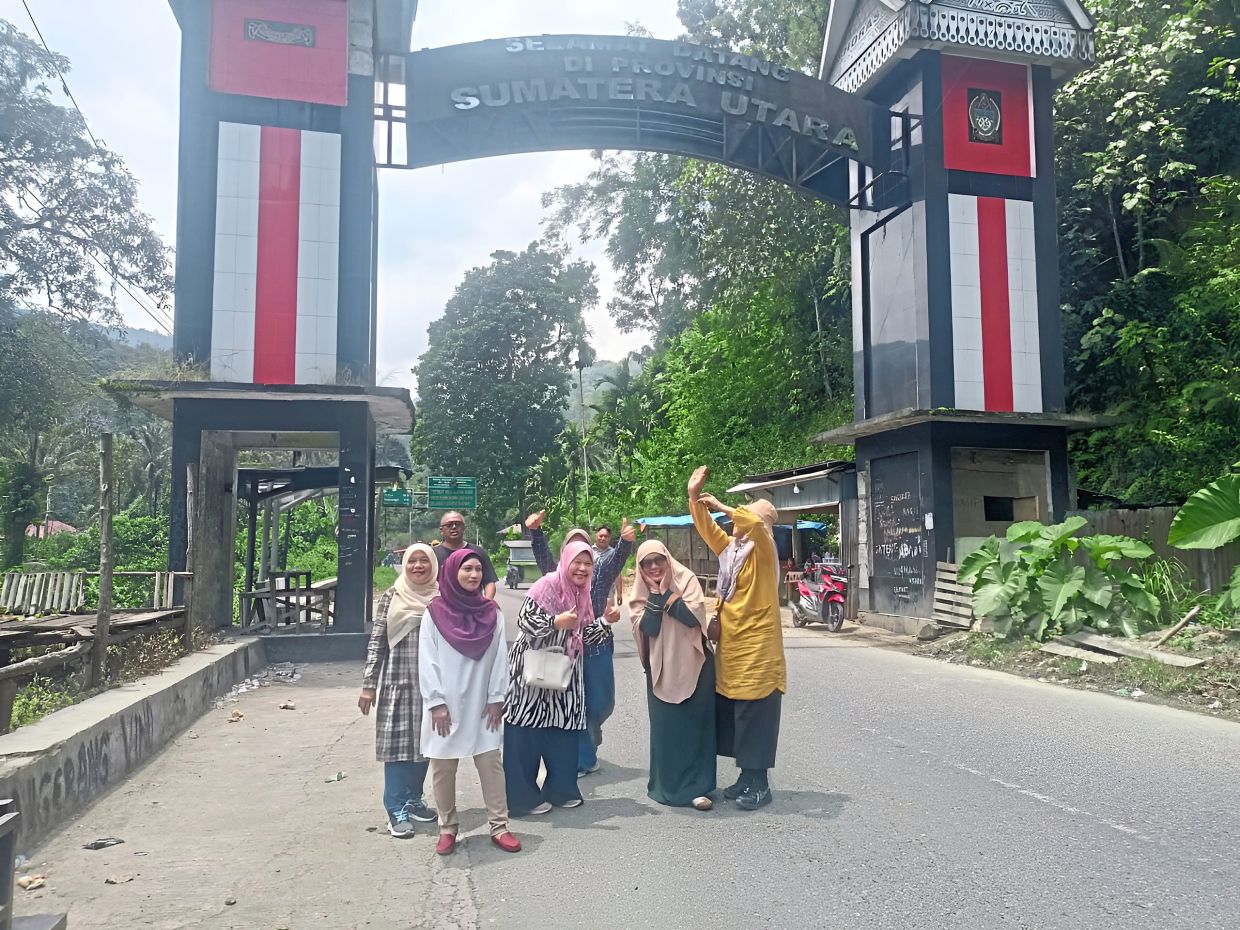 Imami members pictured under the “Welcome to North Sumatra” gate during the association’s trip to Sumatra in February 2025.
“This leadership trait has also driven us to be competitive.
“Many Mandailing settlements have since been established here as our ancestors competed with each other to rise as leaders,” said Mohd Sharifudin, who is an anthropologist and a consultant at the Centre for Research and Development of Malay Culture.
Among prominent leaders from the Mandailing community, he said, “are former Selangor mentris besar Datuk Harun Idris and Tan Sri Muhammad Mohd Taib as well as former Perak mentri besar Datuk Seri Ahmad Faizal Azumu.”
Mohd Sharifudin himself has taken on various leadership roles, including as president of residents associations, parent-teacher associations, staff welfare club and cooperatives.
“I once held five leadership positions.
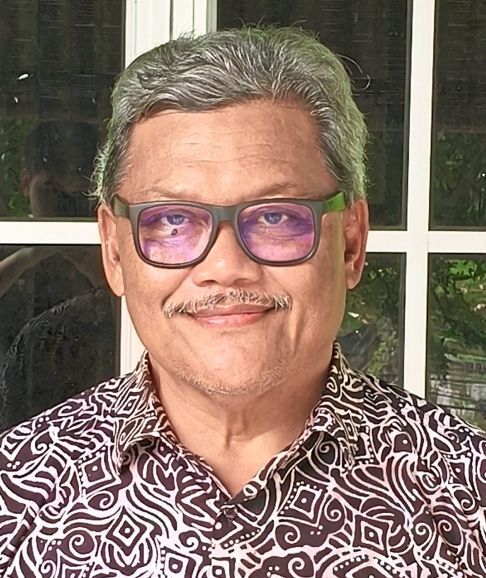 Mohd Sharifudin: Mandailing community was recognised as leaders of Sumatran tribes.
“I have also observed that when there is a Mandailing person in the room, he or she will very likely be chosen to lead the group,” he added.
Mohd Sharifudin said Imami, founded in 2017, played an important role in preserving Mandailing heritage and culture through various activities and initiatives.
“Our biennial general meeting is among our flagship events.
“That is when we will elect federal committee members and hold exhibitions to showcase Mandailing culture encompassing food, music, dance and weddings.
“Other activities include visits among Imami branches in Malaysia as well as frequent visits to Sumatra to look for our family lineages and strengthen our bonds.
“We also have a solidarity fund to support the Mandailing community in Sumatra whenever disasters occur,” he added.
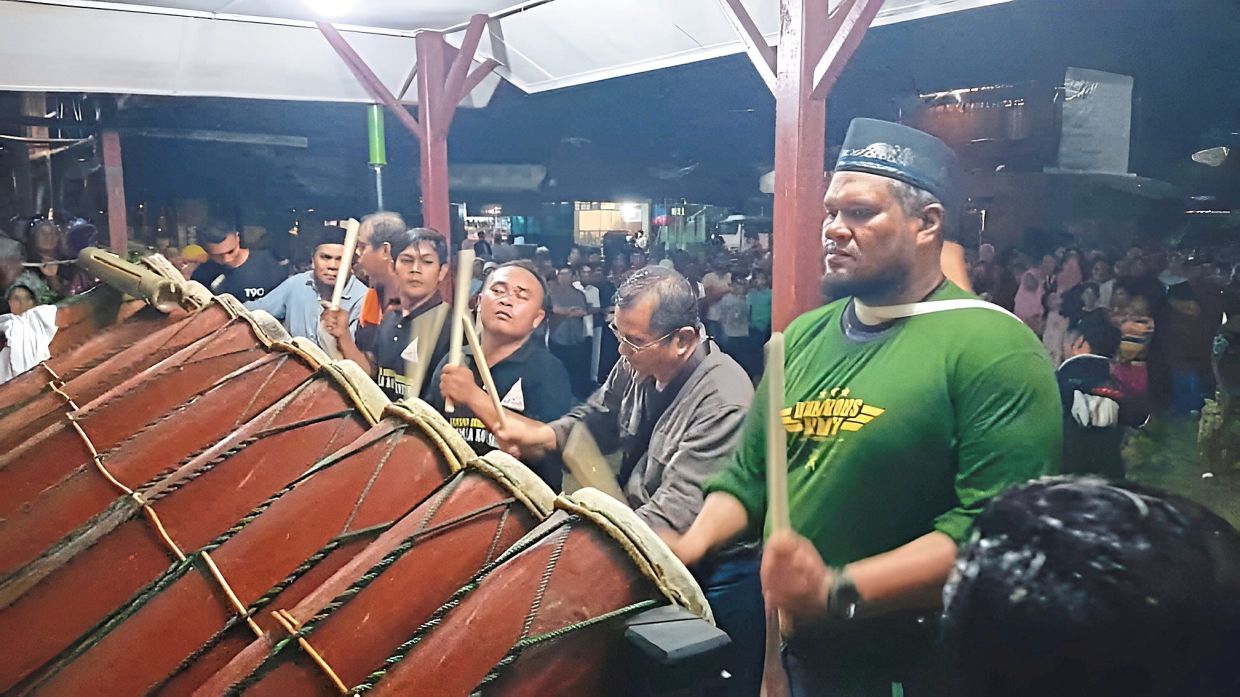 Gordang Sembilan is among the musical instruments of the Mandailing community and it is usually played during weddings.
As the fourth generation, Mohd Sharifudin said the Mandailing community here appreciated their ancestors’ legacy and values of leadership, determination and creativity.
“Moving forward, Imami is working with the Kedah government to establish a Mandailing settlement in Kampung Sungai Jerung in Sungai Petani.
“The state government is also interested in making it a spot for cultural tourism,” he added.
Hainanese clan
Founded in Brickfields, Kuala Lumpur, the Malaysian Hainanese Lim Clan Association (MHLCA) was established in 1959 to provide support for Hainanese Lim migrants who newly arrived in Kuala Lumpur from Hainan Province, China.
Prior to MHLCA’s formation, Chang Lin Villa was founded in 1949 by Hainanese Lim pioneers to serve as a shelter for their fellow kinsfolk, according to MHLCA president Lim Jit Yoong.
“Kuala Lumpur was a completely new place for those who just arrived.
“Our ancestors, who used to run food and beverage businesses at the Kuala Lumpur Railway Station, set up the Chang Lin Villa as a support system for kinsfolk upon their arrival.
“Chang Lin Villa and MHLCA were subsequently merged in 2005 to ease the management process.
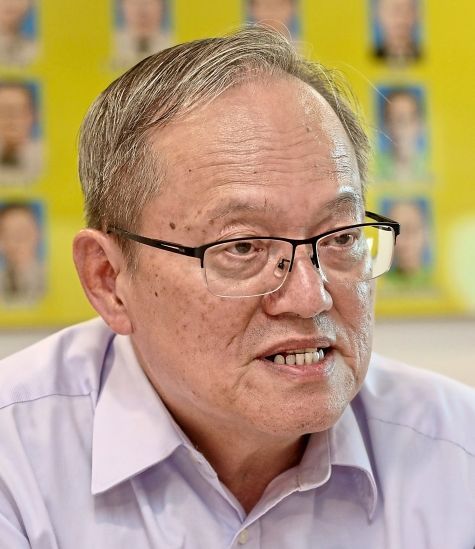 Lim: Dedication to preserve the legacy is what brings all together after several generations.
“In the same year, we moved to Jalan Sultan Abdul Samad in Brickfields, which is where we are now.
“Today, we are continuing our ancestors’ vision to support Hainanese Lims through MHLCA.
“The dedication to preserve their legacy is what brings us together after several generations,” he said.
Lim also said MHLCA members would visit the Hainan province, China, at least once a year to worship Bi Gan – the common ancestor of all Lims.
“Bi Gan was an officer during the Shang dynasty. He was politically persecuted by the then emperor Zhou Wang, who killed Bi Gan by gouging out his heart.
“His wife, who was pregnant at the time, managed to escape and hid in a cave named Chang Lin. She then gave birth to her son in that cave, and he was subsequently named by the emperor of Zhou dynasty as ‘Lin Jian’ after the Shang dynasty toppled.
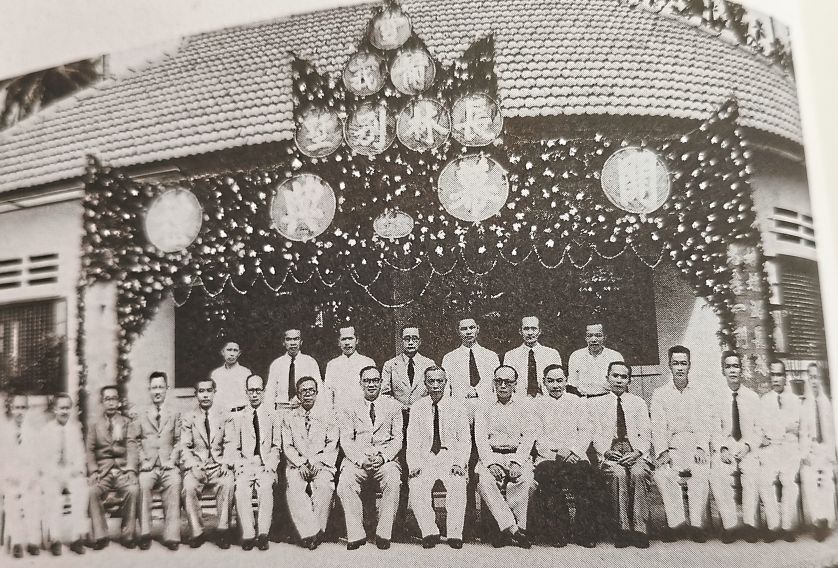 An old photo of Chang Lin Villa dated April 16, 1950 taken from the association’s 40th anniversary magazine.
“This was where the surname ‘Lim’ originated from,” he said.
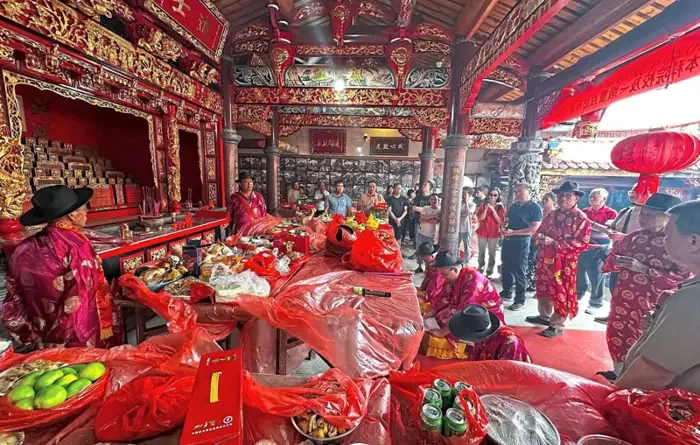
Worshipping Bi Gan is a grand ritual for Lims around the world, he highlighted.
“In the early days, we would only see about 100 to 200 people participating in the ritual.
“However, as time passed, the ritual became more grand.
“Now, one can easily see thousands of people participating,” he said, adding that the Hainanese people also worshipped Ma Zu, the goddess providing protection to seafarers.
Hong-Lai Low association
Community care plays a part in pulling family members together after many generations.
They formed family associations to keep the bond intact among the members comprising several generations.
One of them is Persatuan Keturunan Hong-Lai Low Malaysia (PKHLLM).
Its honorary president Datuk Low Kim Chun said the harmonious relationship between the elders and youths was among the key foundations that kept its members together.
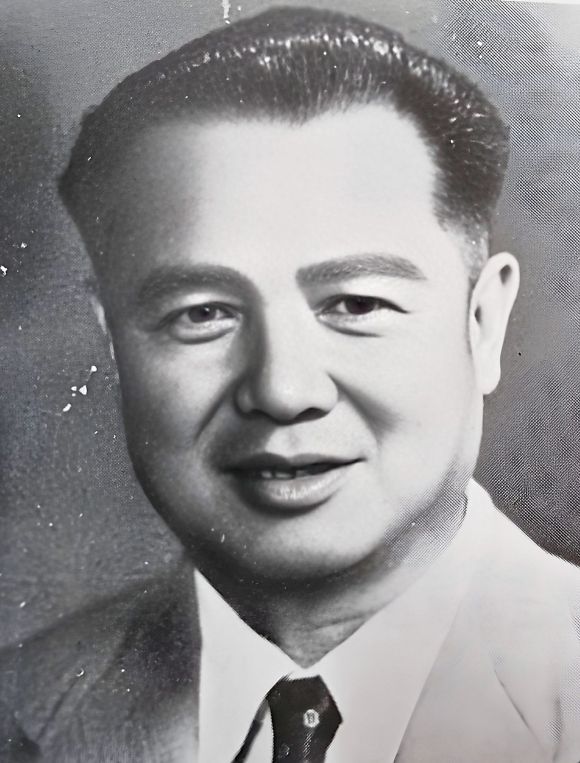 The late Low Kim Seng is one of the influential members of Persatuan Keturunan Hong-Lai Low Malaysia.
He added that the late Low Kim Seng, who was one of the founding members of PKHLLM and his son Eng Moh were among those who left a lasting impact on subsequent generations.
“As one of our former vice-presidents, Kim Seng was passionate about public welfare and had contributed much to the local Chinese community, earning him respect from various sectors. He had also served as board member of various Chinese organisations and schools.
“Eng Moh pushed for the purchase of our former premises in Cheras, Kuala Lumpur, realising the grand vision for the association to have its own space.
“Their deep love for community work and selfless spirit have made them admirable models of our association,” said Kim Chun.
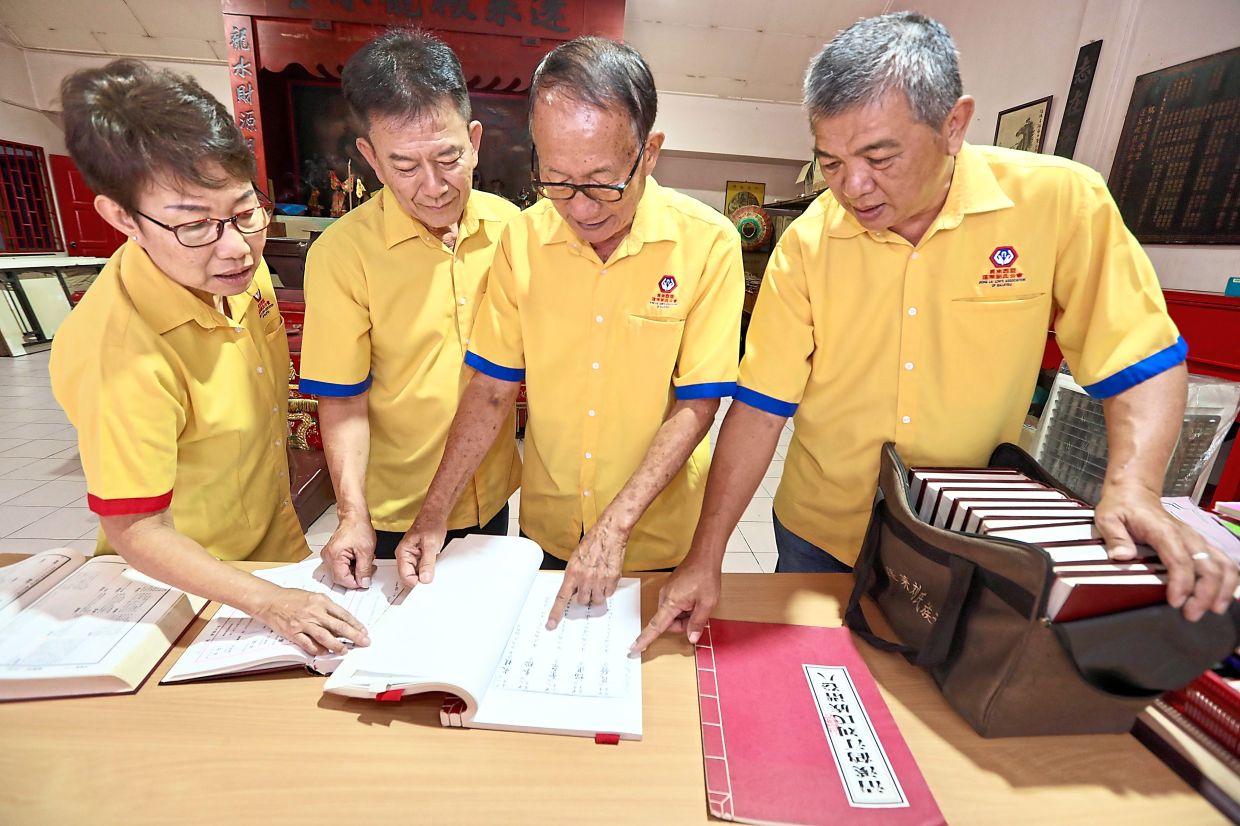 (From left) PKHLLM women wing advisor Low Siew Ngo, president Low Kok Bin, Kim Chun and Jin Boon studying their genealogy at the association’s premises in Kepong, Kuala Lumpur.
PKHLLM members, all of Hokkien descent, also conduct annual visits to Honglai town in Anxi county, China, every sixth day of Chinese New Year to worship Qing Shui Zu Shi, the deity generally worshipped by Honglai people.
PKHLLM head of general affairs Low Jin Boon said the Honglai people believed that the deity helped them counter widespread diseases and disasters in ancient times.
“We worship him due to all the good deeds he had done for our ancestors,” he said.
Jin Boon also said all the villages within Honglai town took turns to host the annual ritual. There are 30 villages in Honglai, according to the official website of the Anxi county government.
Bandham genealogy
Muthu Ramalingam Pillai & Marimuthu Ammal Family Association (MRP&MMAFA) gives importance to preserving the family’s rich history and heritage for the younger generation.
The association, also known as Bandham (meaning bond), has youth descendants as members to continue activities benefitting the current and future generations.
Its advisor V. Suveil Jevan said members’ forefathers, namely the pioneering couple Muthu Ramalingam Pillai and Marimuthu Ammal, had contributed immensely to the country.
“They were said to have hailed from Karaikal in South India and landed on Malayan soil in the 1870s, first in Kedah then settling permanently in Taiping, Perak.
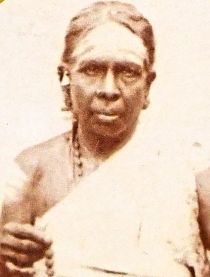 Marimuthu Ammal, who arrived in Malaya in the 1870s, has descendants spanning eight generations.
“They were involved in the construction industry and were one of the contractors of the first railway line from Port Weld (now Kuala Sepetang) to Taiping, built in 1885,” said Suveil.
“We want to pass on their legacy to the younger generation.
“We believe the younger generation should be proud of their ancestors,” he said.
Suveil said the idea to first form MRP&MMAFA stemmed from the desire to find out and document his family’s roots.
“We have been listening to anecdotes by our grandparents, but we want to know beyond those.”
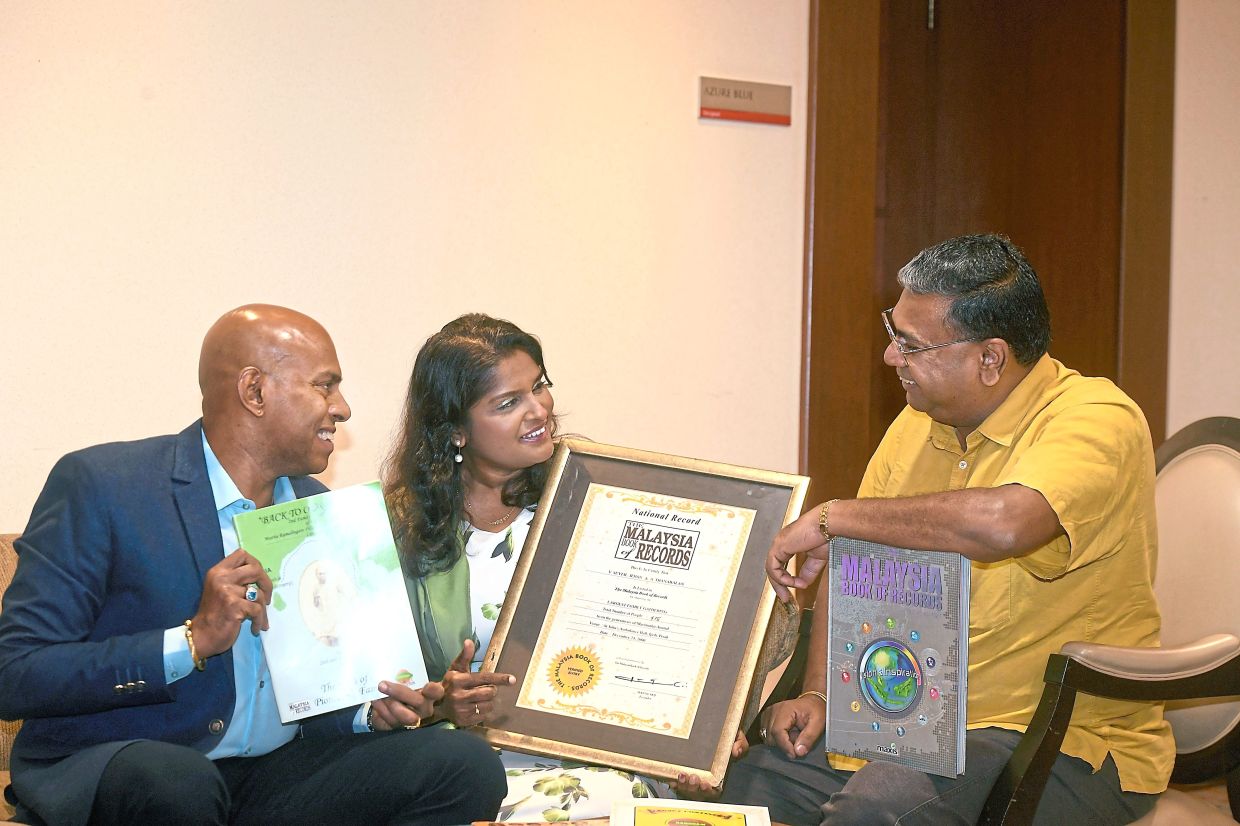 (From left) Kumaran, MRP&MMAFA secretary N. Shamini Dewi and Suveil hope to educate the younger generation to be proud of their lineage and ancestry for contributing to the development of the country since the 1870s.
Prior to being a registered family association, Suveil and MRP&MMAFA patron, the late A. Thanabalan, was recognised by Malaysia Book of Records for organising the largest family gathering in 2000 in Ipoh, Perak.
Among prominent family members of the family are Olympic hockey player M. Shanmuganathan, national-level Tokoh Guru Datuk Seri Dr NS Selvamany and their grandfather philanthropist K. Malaiperumal Pillai, who is the founder of SMK Sultan Yussuf in Batu Gajah, Perak.
Suveil said family gatherings, every two years, was the association’s flagship event to share with family members on their organised activities.
He had personally travelled to Karaikal to meet relatives there to update them on the happenings in Malaysia.
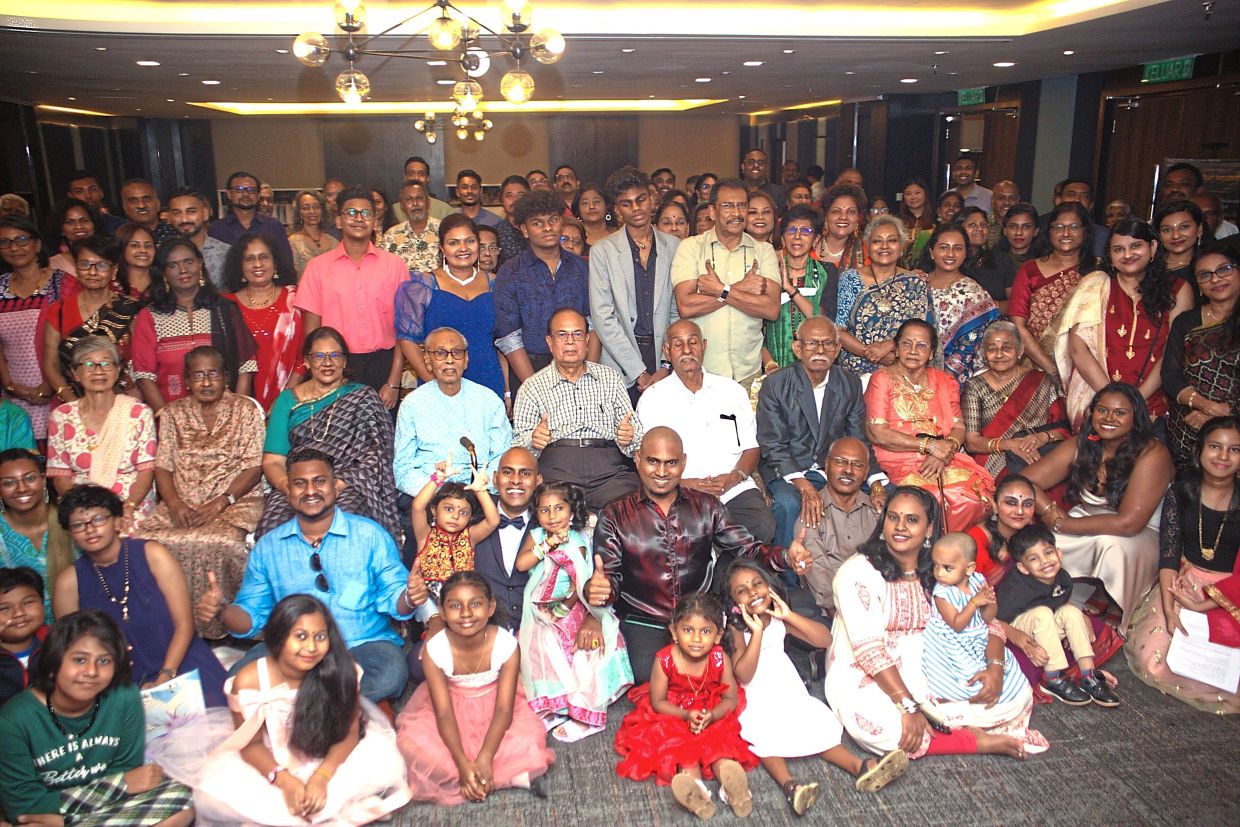 Descendants of Muthu Ramalingam Pillai and Marimuthu Ammal gather once every two years to celebrate their ancestry and strengthen family ties. — Filepic
“Currently, there isn’t a family association there (in Karaikal) but the relatives there love to listen to our stories here,” he added.
MRP&MMAFA president Datuk Dr Kumaran Karmaygan said the family currently has more than 2,000 members and has thrived for eight generations in Malaysia.
“Strengthening the family bond is the association’s main focus.
“We want to link all our members together through a directory and digital archives for future generations to know our history in Malaysia.
“We will also continue empowering our youths by supporting them in job search, for example.
“A database of all the professionals in the family will be established and the youths can seek advice from them.
“Most importantly, we will continue instilling the family’s heritage, culture and values in the youths’ mind through social media so that they can continue appreciating them,” said Kumaran.







Leave a Reply