

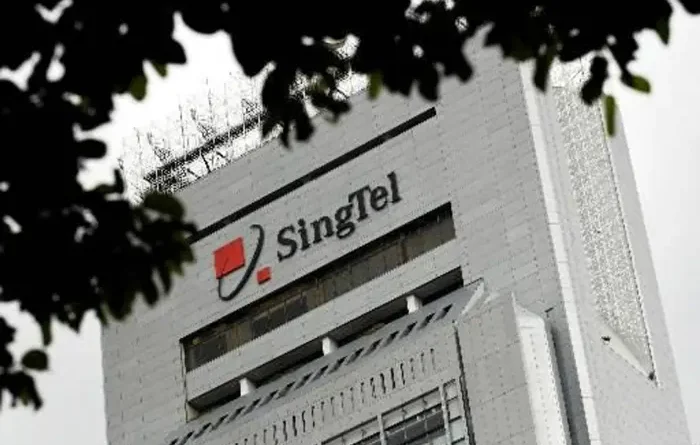
Singtel says ‘small number’ of customers facing issues; unrelated to eight-hour disruption on March 16
SINGAPORE: Some Singtel users experienced connectivity issues on the morning of March 17, a day after an eight-hour disruption that affected thousands of the telco’s users.
In a Facebook post at 11.30am, Singtel said it was aware that a “small number” of customers were facing issues, adding that the service disruption is unrelated to the one on March 16.
“Our engineers are working urgently on resolving the matter as quickly as possible,” said the telco, apologising for the inconvenience caused.
At 6.50am, there were 31 reports of Singtel-related problems on Downdetector – a site that tracks service outages by collating status reports from a number of sources.
The number of reports jumped to 213 at 7.18am, and peaked at 396 at 9.03am. As at 11.20am, there were 309 reports.
On March 16, thousands of Singtel customers – including users of its no-frills, SIM-only GOMO plans – reported a service outage.
Among those affected were gig workers doing ride-hailing and food delivery, whose ability to take on jobs were hit hard by the outage.
While Singtel did not disclose the cause of the disruption, it said there was no evidence to suggest it was a cyberattack.
The disruption – which started at around 10.30am – was restored only after more than eight hours, when Singtel said at around 7.10pm that 4G and 5G mobile services had been restored.
However, the telco later said in an 8.55pm update that some customers may still be experiencing issues, reiterating its advice for users to switch their devices to airplane mode and back, or restart their phones “a few times”.
It also said customers could call Singtel on 1688 for assistance.
It is unclear how many Singtel users were affected in total on March 16. Singtel commands half of the local telco market with its 4.5 million subscribers.
The Infocomm Media Development Authority on March 16 said it was investigating the incident, adding that it “takes a serious view of any service disruptions”. – The Straits Times/ANN











Leave a Reply