

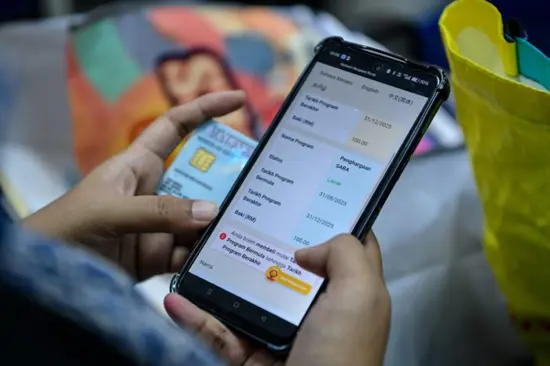
Govt fine-tuning proposal to replace subsidies with MyKad-based social aid
KUALA LUMPUR: The government is reviewing a plan to phase out blanket subsidies in favour of MyKad-based social aid, says Deputy Finance Minister Lim Hui Ying.
She said the immediate priority, however, was to ensure the smooth rollout of the Sumbangan Asas Rahmah (Sara) programme, which forms the foundation of the government’s shift towards targeted aid and subsidies.
Lim said government assistance distribution had already moved to a more comprehensive digital system, including the Welfare Department’s e-Bantuan platform, which uses clear eligibility criteria.
“This covers not only the disbursement of aid but also payments through electronic funds transfer (EFT), allowing cash assistance to be credited directly into recipients’ bank accounts.
“The Government remains committed to monitoring current conditions and ensuring that existing subsidy schemes continue to benefit Malaysians as they cope with rising living costs,” she was responding to Vivian Wong Shir Yee (PH–Sandakan) on Wednesday (Dec 3) in Dewan Rakyat.
Wong asked whether the Treasury would consider replacing current subsidies with MyKad-based social aid following the successful implementation of the Sara distribution mechanism.
Lim said the use of MyKad would allow the government to monitor implementation more effectively and ensure that assistance reaches those who genuinely qualify.
“MyKad can function as a means of identity verification, ensuring that only Malaysian citizens receive subsidised benefits,” she said.
She added that the increased allocations for Sumbangan Tunai Rahmah (STR) and Sumbangan Asas Rahmah (Sara) each year reflected the government’s commitment to strengthening the social safety net.
“This year, RM13bil has been allocated for STR and Sara compared with RM10bil in 2024.
“These financial assistance programmes, particularly Sara, are among the mechanisms used to help the public cope with higher living costs,” she said.
Lim said the government also considered the economic cycle affecting small traders and SMEs, which benefit from spending by targeted groups.
“This spending is among the contributors to Malaysia’s economic growth of 5.9% in the second quarter of last year.
“It reflects a combination of a strong labour market, low unemployment, low inflation, and targeted financial assistance that has supported household purchasing power,” she added.







Leave a Reply